13. BSD Unix, Part 3 - The Beginning of BSD Unix
From Pascal and ex tapes to a VAX system: Bill Joy handles BSD distribution and debugging, then joins Ozalp Babaoglu to bring virtual memory to Unix.
From Pascal and ex tapes to a VAX system: Bill Joy handles BSD distribution and debugging, then joins Ozalp Babaoglu to bring virtual memory to Unix.
The beginning of BSD Unix
When Ken Thompson returned to Bell Labs in 1976, Bill Joy and Chuck Haley began exploring the Unix kernel themselves.
Let's try it.
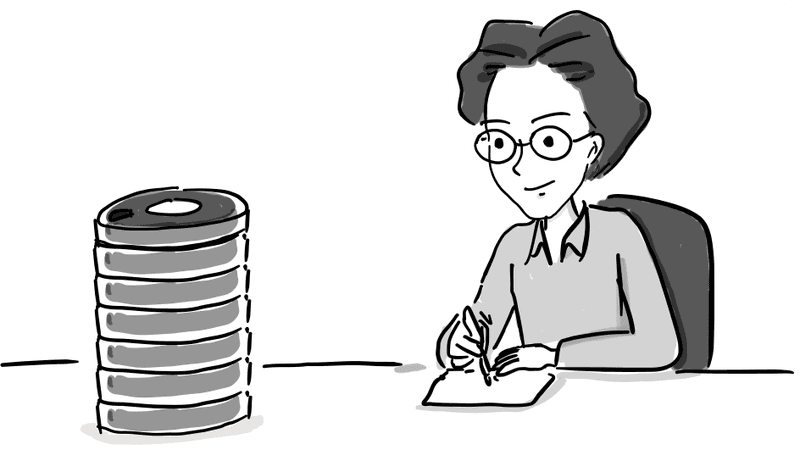
In early 1977, Bill Joy put together the Berkeley Software Distribution, or BSD, bundling the Pascal system with ex, a line editor developed from em. Early BSD was not a standalone operating system: it was a collection of software to install on an existing Unix system. About thirty copies were sent out over the following year.[1]
Thirty tapes to copy...
At the time, an AT&T Unix source license was needed to get BSD.[2]
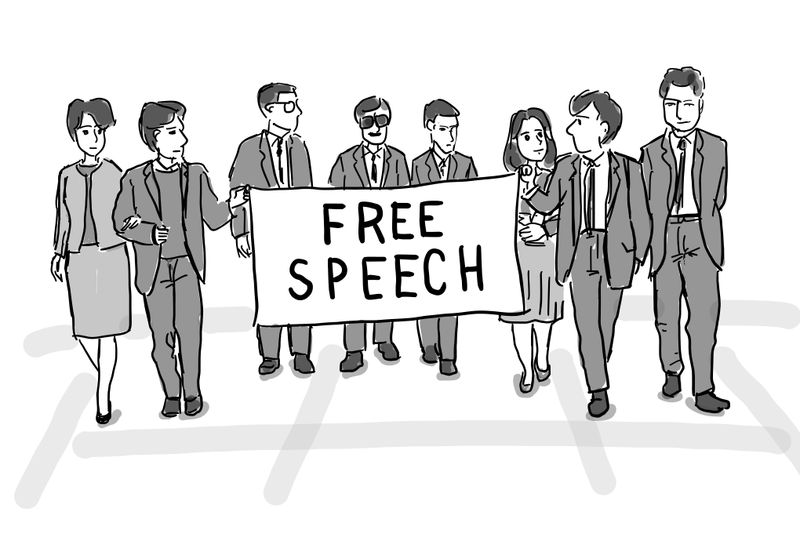
Berkeley already had a tradition of sharing research software. BSD carried it on. Berkeley's Free Speech Movement, hippie culture, and antiwar activism are also said to have influenced Joy's decision to charge so little.[2]
Universities and research institutions could obtain Unix, including its source code, for a modest licensing fee. This also helped the system spread.[2][6]
The second distribution: 2BSD
After the first BSD distribution, Joy improved the Pascal system based on user feedback. He bundled it with vi (ex's visual mode), the C shell, and other tools to form the Second Berkeley Software Distribution, or 2BSD. Nearly seventy-five tapes were shipped over the following year.[1][5]
Oh, you need a copy of BSD?
Tune the kernel. Fix the bugs.
More copying.
A VAX arrives at Berkeley, 1978
Hi, I'm Ozalp Babaoglu.
Sure. Let's take a look.
Babaoglu was a Berkeley graduate student advised by Professor Domenico Ferrari. Joy joined him to integrate the code into 32/V and debug it.[1][4]
At the time, 32/V did not use the VAX hardware's virtual-memory capabilities. A program's address space was limited by physical memory, but Professor Richard Fateman's work on the computer algebra system Macsyma needed more. Virtual memory uses disk storage to give programs an address space larger than physical memory.[1]
Macsyma, developed at MIT beginning in the late 1960s, worked with symbolic expressions. It could factor expressions, compute derivatives, and perform integration.
The end of 1978.
Joy ported ex, vi, the C shell, and other 2BSD tools to the VAX, while Peter Kessler and Marshall Kirk McKusick ported the Pascal system. These programs were bundled with the standard 32/V utilities and the virtual-memory kernel that Babaoglu and Joy had integrated and debugged. The result was 3BSD, which began shipping in December 1979.[1]
Since 1969, ARPANET had linked research institutions funded by DARPA, the Defense Advanced Research Projects Agency.[3] But these institutions used different computers and operating systems, so they often couldn't share software. Porting the existing software to new machines was also costly. DARPA became interested in Unix's portability, and took notice of Berkeley's successful distribution of 3BSD to research institutions.[1]
References
install.ms and source code in 2bsd.tar.gz.Texto de fosscomics.com tal como lo publicó, leído de su página y mostrado aquí con el formato de El Autómata. El original, en fosscomics.com · Volver a la noticia de El Autómata