Stem Cell Biologist Marta Shahbazi Dies in Spanish Train Collision
Marta Shahbazi transformed the understanding of human embryo development with groundbreaking in vitro culture models.
Marta Shahbazi transformed the understanding of human embryo development with groundbreaking in vitro culture models.
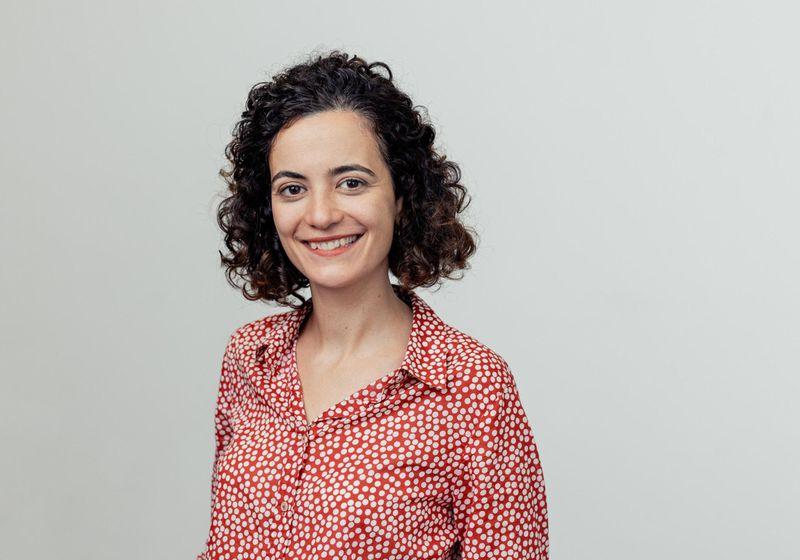
Marta Shahbazi was at the forefront of research on early human development.
Image credit:© MRC Laboratory of Molecular Biology, Image by Michael Thornton
Marta Shahbazi, a stem cell biologist at the Medical Research Council Laboratory of Molecular Biology (LMB) passed away on October 28, 2026 at the age of 41 in a train crash in Spain. She was on her way to receive an award at the 19th meeting of the Spanish Society of Developmental Biology for her contributions to the study of human embryo development.
Shahbazi’s work focused on the early stages of mammalian embryo development to better understand how errors during this period could cause failed pregnancies. To this end, she worked with stem cell-based embryo models and mouse and donated human embryos.
Shahbazi completed her graduate studies at the Spanish National Cancer Research Centre. In 2014, she took up a postdoctoral fellowship in the lab of developmental and stem cell biologist Magdalena Żernicka-Goetz at Cambridge University.
During her stint as a postdoctoral researcher, Shahbazi helped establish a method that allowed human embryos to grow in vitro beyond the implantation period. Using this approach, the researchers were able to culture human embryos for up to 14 days post fertilization, a significant boost to the then-conventional practices that enabled culturing up to seven days post fertilization.1 (International guidelines prohibit researchers from culturing human embryos beyond 14 days post fertilization.)
Continue reading below...
Latest science news stories
Topic-tailored resources and events
Customized newsletter content
SubscribeThis opened opportunities to study this stage of human embryonic development. In 2017, Shahbazi and Żernicka-Goetz’s work used this model to study human embryo remodeling during implantation, offering insights about a fundamental process during human development.2
Shahbazi established her group at LMB in 2020. A few years ago, she and her team developed a three-dimensional culture using mouse embryonic cells that captured the key characteristics of gastrulation, the early developmental stage when pluripotent stem cells start differentiating to eventually establish distinct cell lineages.3 This offered an in vitro model to study this crucial developmental period at a molecular level.
“Marta was one of the brightest lights in my scientific family and an integral part of my lab for many years,” Żernicka-Goetz wrote in a social media post. “I loved Marta. She was extraordinarily warm, generous, honest, inspiring, a thoughtful friend who lived for science, and at the same time making the lives of those around her, better,” she said.
“Marta was not just an exceptional scientist and a rising star in her field; she was a vibrant, deeply valued member of our institute’s family and part of the future of the LMB. Her passion for discovery was matched by her warmth, generosity and dedication to supporting others,” said LMB director Jan Löwe, in a statement. “It is an unimaginable and deeply personal tragedy. We are devastated by her passing, and our hearts go out to her family, her children and everyone who had the privilege of working alongside her at the LMB and elsewhere.”
References
Texto de The Scientist tal como lo publicó, leído de su página y mostrado aquí con el formato de El Autómata. El original, en the-scientist.com · Volver a la noticia de El Autómata